Healthy nails are not just a matter of aesthetics. They are also a protective barrier for the fingers, and their appearance and condition are an important signal about the health of the entire body. Unfortunately, in everyday life it is not difficult to damage - all it takes is an unfortunate bump, ill-fitting shoes or drying household chemicals for the plate to begin to break, split or separate from the nail bed. How to effectively promote nail regeneration in such situations, so that they are healthy and strong again?
What can nail damage result in?
Any damage to the nail, even seemingly minor, can cause a range of changes - from temporary discomfort to long-term problems with the plate.
Mechanical damage - causes and consequences
Mechanical damage usually occurs in everyday situations - during sports, as a result of wearing tight shoes or doing household chores. The result is sometimes a crack, dehiscence or even loss of part of the nail. Such injuries affect not only aesthetics, but also the comfort of walking or grasping objects.
How to distinguish between a crack and a flaking or dehiscence of a tile?
A crack is a clear line running along the nail, exfoliation resembles gradual delamination, and dehiscence means the nail is moving away from the nail bed. The difference is easy to see visually, but the final diagnosis is best left to a specialist.
Damaged nails - when is it advisable to see a podiatric specialist?
A podiatrist is a person who deals with the health and condition of the nails and skin of the feet. His knowledge and tools make it possible not only to alleviate the effects of injuries, but also to promote the recovery process in a professional manner.
Symptoms that should prompt a visit to the office
If the nail becomes extremely brittle, detaches from the nail bed, has discoloration or is accompanied by prolonged discomfort - this is a sign that it is worth going to a specialist.
Is the intervention of a specialist always needed?
Not all damage requires a visit to the office. Minor splits or dryness can be supported with home care. However, it is worth remembering that in more serious cases professional help is the best solution.
Podiatric therapy - what does the recovery process look like in the office?
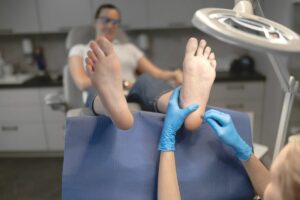
Professional podiatric therapy is a comprehensive process that differs from home care. The podiatrist has the knowledge, experience and specialized equipment to accurately assess the condition of the nail and implement effective measures. The treatment is not just about improving appearance - it also aims to prepare the plate for proper regrowth and minimize the risk of further injury. As a result, regeneration is faster and the nails have a better chance of returning to their natural form.
Diagnosis and selection of working method
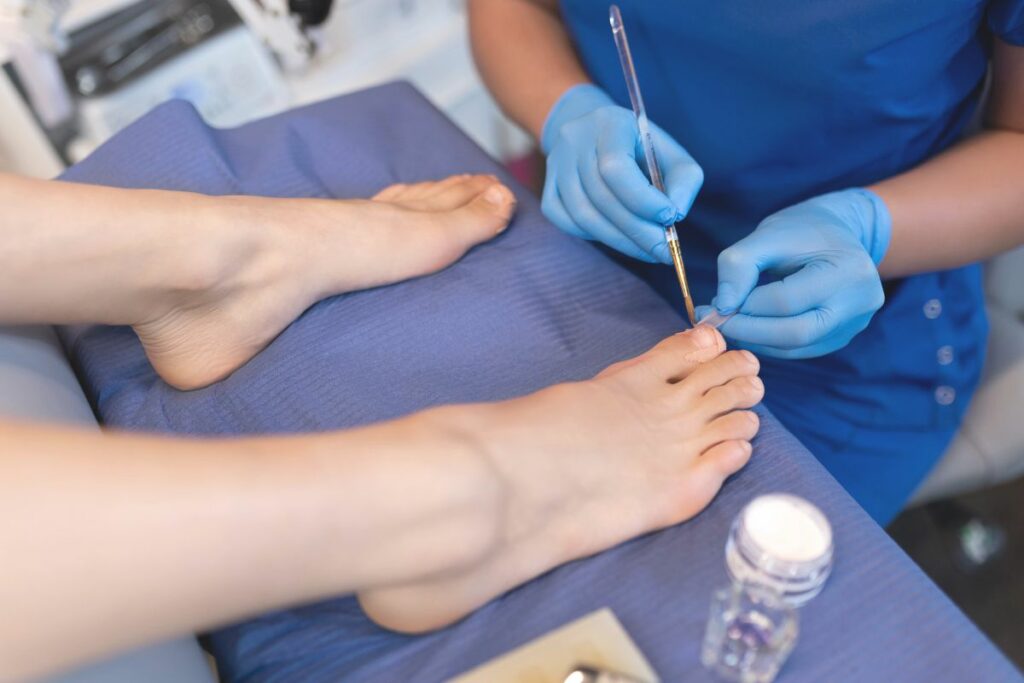
Each visit begins with an analysis of the condition of the nails. The podiatrist assesses whether the damage is superficial (e.g., splitting, dryness) or deeper - when there is a detachment of the plate from the nail bed or the formation of a crack in its structure. It is also important to consider the cause of the problem. Based on the diagnosis, the specialist selects the appropriate methods - from simple maintenance treatments to more advanced nail preparation.
Milling, cleansing and plate preparation
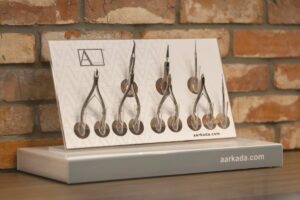
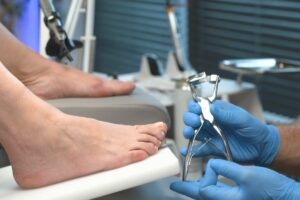
For more serious damage, it is necessary to clean the plate. For this purpose, the podiatrist uses professional cutters (check AArkada cutters), which allow to precisely remove all fragments of the nail not adhering to the nail bed. Such action eliminates areas prone to further crumbling of the plate and prepares the nail for regeneration.
Individual approach to the type of damage
There is no universal scheme for nail regeneration - each case requires a different approach. Minor injuries can be corrected by shortening and matting the plate, while more complex situations require systematic cleaning and support with specialized preparations. The podiatrist also establishes an individualized home care plan that complements in-office therapy and speeds up the recovery process. Thanks to this approach, the patient receives not just a one-time treatment, but comprehensive support in nail regeneration.
What is worth remembering after the procedure?
Professional podiatric treatment is only the first step toward healthy and strong nails. The final effect of the treatment largely depends on daily care and attention to simple habits. These are the ones that determine whether the nails will regenerate faster and whether re-damage can be avoided.
Nail plate hygiene and protection
Proper hygiene is fundamental in the process of nail restoration. After the treatment, it is especially worth paying attention to:
- Regular washing and drying of hands and feet - moisture promotes weakening of the plaque, so always dry the skin thoroughly after bathing or swimming,
- Avoid excessive filing - too much interference with the structure of the nail can lead to its weakening,
- Caution during daily activities - such as using protective gloves when cleaning or working with detergents.
Impact of footwear and lifestyle on recovery
Daily habits largely determine the effectiveness of therapy. It is worth remembering that:
- Well-fitting footwear prevents mechanical trauma that can damage the plate again,
- Avoiding excessive moisture (e.g., wearing airy shoes in summer, changing socks after exercise) promotes faster recovery,
- A healthy diet and hydration support the process of regrowing nails "from the inside."
- Regular use of supporting preparations (e.g. AArkada serum) reinforces the effects obtained in the office.
Home care of damaged nails - support after treatment
Home support of podiatric therapy is the key to faster results. Regular use of the right products strengthens the plate and protects it from further damage.
What preparations support nail regeneration?
Podiatry serums, gels and oils make nails more flexible and resilient. They also make it easier to maintain proper moisture levels.
Toenail care versus hand nail care - what's the difference?
Although both fingernails and toenails need care, their care needs are slightly different:
- Toenails are enclosed in shoes for most of the day, exposed to pressure and moisture. This makes it more difficult to keep them in good condition, and preparations should be light and liquid so they can reach hard-to-reach areas, such as nail shafts and gaps near the plate.
- Hand nails, on the other hand, are constantly exposed to the elements - frequent contact with water, detergents or temperature changes. Here the best products are those with a gel consistency, which are easy to apply, quickly absorbed and can be used repeatedly throughout the day, such as after every hand wash.
Recommended AArkada products for nail regeneration
For years, the AArkada brand has been trusted by podiatrists and people who care about the health and aesthetics of their nails. Our products were created for demanding nail plates that have undergone various injuries or have been weakened by everyday factors - from uncomfortable shoes to frequent contact with detergents. They are distinguished by their carefully developed consistency and practical formulas, making care not only effective, but also convenient for daily use. AArkada preparations can be successfully used both in the podiatrist's office and at home.
Arkada's Serum TC16 - for toenails
Arkada's Serum TC16 is one of the brand's flagship products. Thanks to its liquid consistency, it precisely penetrates the nail structure and reaches all crevices and nail shafts. This is especially important for toenails, which are exposed to pressure, moisture and frequent abrasions. Regular use of the serum helps keep the plate in good condition, increases its elasticity and supports the process of natural regeneration. The product works well for both mild splits and more demanding damage, when the nail needs additional strengthening.
Arkada's Serum in Gel - ideal for toenails
AArkada's gel serum was created for people who want to have effective care always at hand. Its light, gel formula makes it easy to spread, quickly absorbed and does not run off the plate - so you can use it at any time of the day, even when you are out of the house. It is ideal after every hand wash, when nails and cuticles need extra hydration and protection. It is a product especially appreciated by active people who want to combine effective care with the convenience of application.
How to use AArkada products to achieve the best results?
The basis for the effectiveness of AArkada products is regularity. The serums should be used daily - in the case of toenails, it is best in the evening, after bathing and drying thoroughly, and in the case of hands, several times during the day, for example, after washing hands. The preparations can be gently massaged into the plate and cuticles, which further improves their absorption and stimulates circulation. It is also important to combine the use of serums with proper hygiene, wearing comfortable shoes and avoiding factors that could weaken the nails again. With this approach, the results will not only be visible faster, but also last longer.
Nail regeneration after damage - frequently asked questions
Can nail splits be regenerated on their own?
Yes, in the initial phase you can support the regeneration with appropriate preparations. However, if the splits recur, it is worth visiting a podiatrist.
How long does it take for a nail to recover from an injury?
It depends on the type of damage and individual predisposition. Nails on the hands regenerate faster - within a few months. In feet, the process can take up to a year.
Are AArkada products suitable for people with sensitive skin or diabetes?
Yes, they can also be used in such cases. However, it is always advisable to consult a specialist to adjust the appropriate method and frequency of application.